
They call it "the vault" and expect absolute certainty. Today that label covers everything from granite lined rooms guarded by steel to encrypted codebases humming in data centers. Readers who care about protecting valuables, sensitive data, or institutional trust need clear guidance that blends old school physical security with modern digital defenses. This article explains what "the vault" means now, how different vault types work, and how to pick, maintain, and legally protect one. It is practical, a little witty, and designed for people who want to make decisions without being sold to.
What "The Vault" Means Today
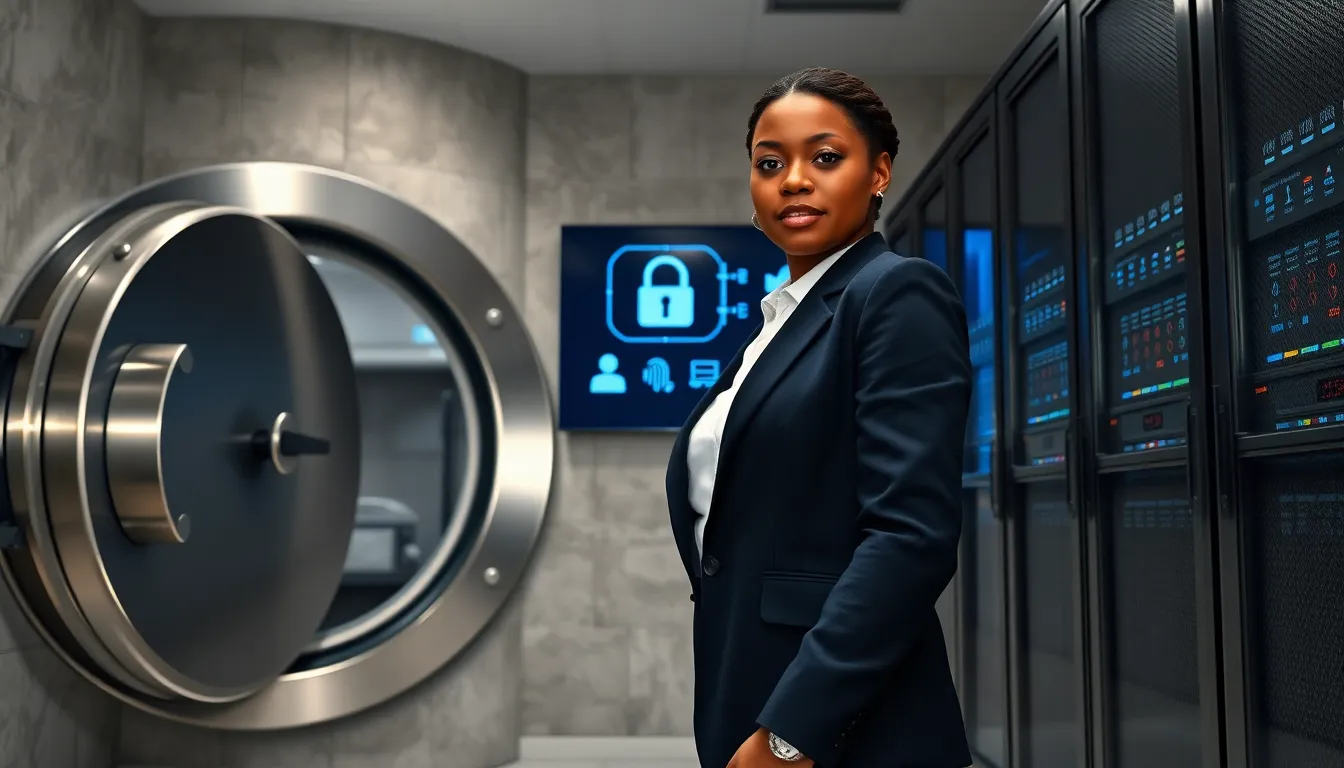
The phrase "the vault" used to evoke a single image: a heavy door, a bank teller, and a time lock. Those days still matter because physical vaults protect cash, jewelry, and paper documents. But the vault concept expanded as organizations digitized records and assets. Now the vault can be a physical room, a virtual repository, or both working together. Institutions often think in terms of layered protection where a physical barrier intertwines with access controls and encrypted backups. People seeking to understand the vault must appreciate that security is no longer only about resisting brute force. It is also about stopping credential theft, preventing insider misuse, and preserving data integrity during disasters. Finally the vault is a trust promise. When an institution claims custody, it accepts responsibility during every minute custody is active.
Types Of Vaults And How They Work
Organizations and individuals choose vaults based on what they need to protect. Each type brings unique strengths and tradeoffs. Below are the most common vault varieties in use today.
Bank And Commercial Vaults
Bank and commercial vaults are heavy duty. They combine reinforced concrete, steel liners, and time locks designed to resist drilling and cutting. Managers often incorporate environmental controls to reduce humidity and temperature fluctuations that damage sensitive items. Vault staff procedures matter as much as materials. Dual control turns single points of failure into two person tasks. Time delays and scheduled open periods limit unauthorized access. And when larger sums or unique artifacts are at stake, vault designers include blast resistance and fire suppression systems that do not harm stored items.
Digital And Password Vaults
Password managers and digital vaults store credentials and secrets behind encryption. They rely on strong key management and modern cryptography to keep secrets unreadable even if storage is breached. Many services use zero knowledge architectures so the provider cannot decrypt customer secrets. Multi factor authentication reduces risk from stolen passwords. Hardware based tokens add another layer by anchoring keys to physical devices. Users should prioritize vaults that offer clear recovery mechanisms and transparent security audits. Recovery is crucial because losing keys can permanently lock assets.
Data Vaults And Cloud Storage
Data vaults in enterprise contexts involve databases, backups, and immutable ledgers. They use encryption at rest and in transit combined with strict access governance. Object storage platforms often support write once read many policies to prevent tampering. Hybrid approaches distribute copies across on premises hardware and reputable cloud providers to balance availability with control. Enterprises should carry out versioning and point in time recovery so corruption or ransomware does not irreversibly damage records. Design patterns emphasize separation of duties so that administrators cannot modify logs without oversight.
Safe Deposit Boxes And Personal Storage
Safe deposit boxes deliver a simple proposition: private storage inside a trusted institution. They work best for items that rarely need access such as wills, certificates, and heirlooms. Buyers should know that legal access rules and bank hours limit convenience. Personal home safes exist for immediacy. They vary widely in quality so certification matters. Independent ratings from insurance associations or third party labs provide objective measures. People choosing between home and bank storage should weigh urgency of access against the value and sensitivity of the items.
Security Features And Technologies Behind Vaults
Modern vault security blends structural engineering, electronics, and monitoring. Effective designs acknowledge that attackers adapt, so defensive depth is essential. This section breaks core technologies down by category and explains why each matters.
Mechanical And Structural Protections
Structural protections remain the foundation of physical vault security. Thick reinforced walls, anti tunneling measures, and vault doors rated to resist cutting and explosive attacks all slow down intruders. Lock mechanisms evolved from simple tumblers to complex combination systems with redundant safeties. Designers also account for environmental risks by incorporating fire rated materials and controlled ventilation. Importantly resilient design expects attempts at bypass and focuses on delaying action long enough for detection and response to occur.
Electronic Access Control And Authentication
Electronic access systems use smart cards, biometrics, and multifactor authentication to control entry. Biometric systems add convenience but require anti spoofing measures and fallback plans. Time based access windows restrict when credentials work. Audit logs capture who accessed what and when, serving both security and compliance needs. Cryptographic tokens and hardware security modules protect keys for digital vaults. Strong key lifecycle practices reduce the chance of silent compromise.
Surveillance, Detection, And Redundancy Systems
Surveillance cameras, motion sensors, and vibration detectors form the visible layer that deters and detects intrusion. Advanced installations use analytics to flag unusual patterns rather than stream everything to an operator. Redundancy protects against single points of failure. Uninterruptible power supplies and mirrored storage ensure continuous operation during outages. For critical data vaults, air gapped backups and geographically separated copies help recover from catastrophic events. In short detection plus redundancy equals resilience.
Choosing The Right Vault For Your Needs
Selecting a vault requires honest assessment. Different stakeholders have different priorities. This section helps match needs to solutions and clarifies tradeoffs people commonly overlook.
Assessing Risk And Value To Protect
Begin by cataloging what needs protection and why. Monetary value matters, but so do legal, sentimental, and operational values. Rarity and replaceability influence choices. Evaluate threat actors who would care about those assets. State level actors demand different protections compared with opportunistic criminals. Then map likely attack vectors such as physical break in, insider theft, or credential compromise. When decisions follow a clear risk picture, they become affordable and effective.
Options For Individuals Versus Businesses
Individuals usually prioritize cost and access. They often select insured safe deposit services or certified home safes. Businesses must balance regulatory obligations, uptime, and employee workflows. For them enterprise grade digital vaults, hardened data centers, and formal access controls are typical. Small firms frequently use managed services to avoid building on premises expertise. Larger firms tend to hybridize to keep the most sensitive items under tighter internal control.
Cost, Accessibility, And Usability Tradeoffs
High protection usually costs more and reduces convenience. The most secure vaults impose delays and require multi step authentication. A good decision considers how often people need access and how much friction they will tolerate. Insurance premiums, maintenance costs, and operational overhead are part of the true price. Simpler solutions can sometimes meet needs if paired with strong procedures and awareness training.
Maintaining, Testing, And Preparing For Emergencies
Security is a process not a one time purchase. Proper maintenance and realistic testing keep vaults effective as threats evolve. The following practices help organizations remain ready.
Routine Maintenance And Inspection Best Practices
Scheduled inspections catch wear and tear before failures occur. Staff should test locks, sensors, and environmental controls on documented intervals. Maintenance records support insurance claims and regulatory audits. Vendors supplying parts need vetting so counterfeit or substandard replacements do not creep in. Finally rotating credentials and reviewing audit logs reduces chances that dormant accounts become liabilities.
Emergency Response Plans And Drills
Plans must be written, practiced, and updated. Drills simulate burglary, fire, and cyber incidents. They reveal coordination gaps between security staff, IT teams, and first responders. Clear escalation paths and communication templates reduce confusion when seconds matter. After each exercise teams should capture lessons learned and carry out improvements quickly.
Upgrading Security Over Time
Security technology improves fast. Organizations should plan upgrades rather than waiting until a breach forces change. Periodic risk assessments guide when to replace outdated controls. Budgeting for incremental improvements keeps operations current and avoids large disruptive overhauls. Vendors that provide transparent roadmaps and independent audit reports simplify upgrade decisions.
Legal, Insurance, And Compliance Considerations
A vault is only as useful as the legal protections and insurance that back it. Misunderstanding these areas creates exposure even when physical or technical controls are strong.
Insurance Coverage And Valuation Basics
Insurers expect clear inventories and valuation methods. Policies differ on covered perils and limits. High value items may need appraisals and specialized floater policies. For digital assets insurers examine backup regimes and security controls before issuing coverage. Accurate documentation shortens claims processing and prevents disputes during payouts.
Regulatory Requirements For Institutions
Banks, custodians, and some service providers operate under strict rules. Regulations mandate access controls, logging, reporting, and incident response capabilities. Non compliance carries penalties and loss of license risk. Institutions must map applicable laws across jurisdictions when they store cross border data or valuables. Legal counsel and compliance teams should participate early in vault design.
Handling Ownership, Access Rights, And Disputes
Clear contractual language prevents access disputes. Custody agreements should specify who can open boxes, under what conditions, and how ownership is proven. Estate matters and power of attorney scenarios require pre planned solutions to avoid locked assets when a key person is incapacitated. Dispute resolution clauses and escrow arrangements reduce the risk of protracted litigation.
Conclusion
The vault now spans concrete, code, and contracts. Successful protection mixes appropriate physical barriers with modern authentication, monitoring, and legal safeguards. Organizations and individuals who match protection level to risk, maintain systems consistently, and plan for recovery will avoid the most damaging outcomes. In short the vault is not a single technology. It is an evolving practice that demands ongoing attention and smart tradeoffs.